
Product List Dir Review
Introduction
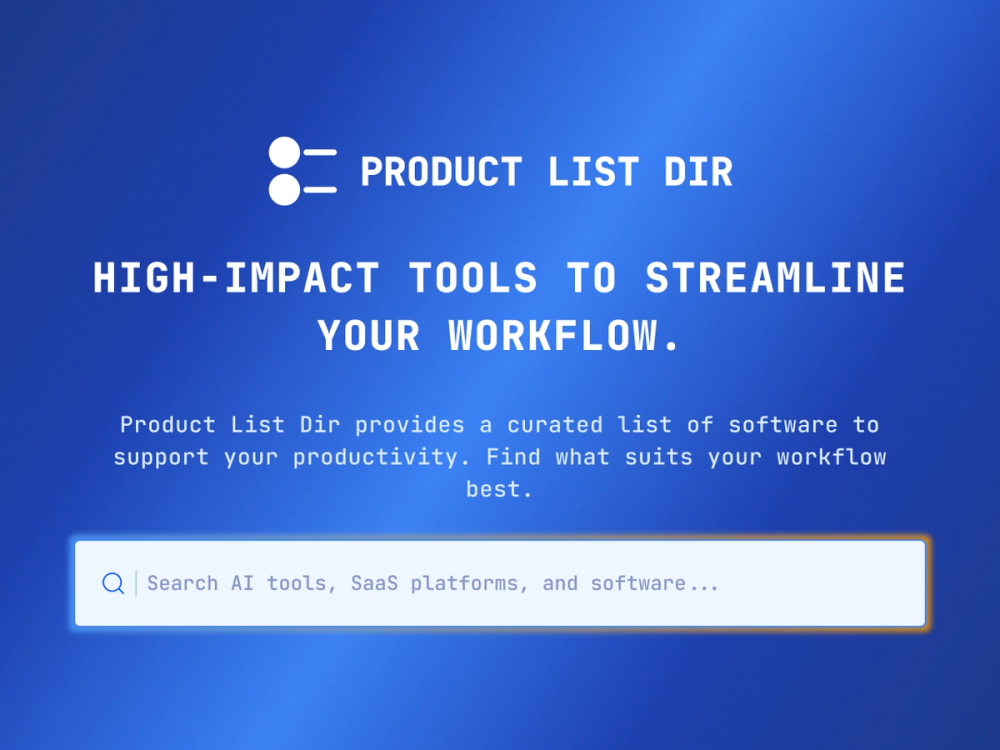
Product List Dir is a software product directory built for people who want a more structured way to discover and compare SaaS tools, apps, and other digital products. The site presents products across a wide set of software categories and frames itself as a place for comparison and discovery rather than a single-product marketplace.
From the public homepage, the platform appears aimed at founders, operators, marketers, and software buyers who want a cleaner starting point before signing up for trials or booking demos. Its positioning is practical: help users browse by category, see product context, and narrow options faster.
Key Features
- Broad software coverage across categories such as business, marketing, development, productivity, SEO, web design, education, and more.
- Structured browsing built around category placement, making it easier to compare products in the same part of a software stack.
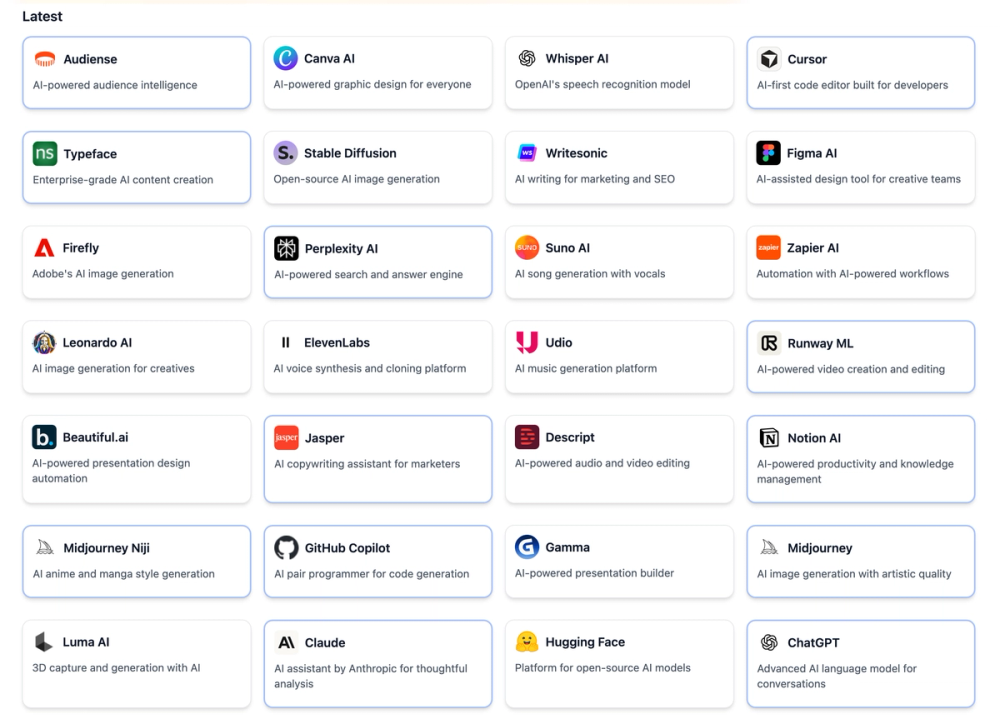
- Product discovery sections such as featured listings and an explore area for broader browsing.
- Public product submission flow that invites founders to submit their own tools for review.
- Listing context that highlights pricing details and product fit where available, based on the site's own description.
- Free access for browsing and comparing products, according to the public FAQ content.
Use Cases
Product List Dir is useful for software buyers who are still in the research phase and do not want to start with vendor demos right away. If someone is comparing CRM platforms, email tools, developer products, or other business software, the directory offers a structured shortlist environment before a deeper evaluation begins.
It also serves founders and indie makers who want another discovery channel for their products. The site explicitly promotes product submission and positions itself as a way to reach users who are browsing by category, pricing, and fit. For early-stage products, that can make the directory relevant as a visibility layer rather than a full acquisition engine.
A third use case is general market scanning. Because the homepage surfaces featured products and a large category map, Product List Dir can work as a lightweight way to see what types of software tools are active across different segments. That is helpful for people tracking competitors, researching adjacent tools, or simply exploring new products in a more organized format.
Pricing
Based on the visible FAQ content, Product List Dir is free to use for browsing, viewing listings, and comparing products. The site also mentions pricing details as part of listing context, but there is no clearly exposed paid plan, sponsorship model, or submission fee on the source material reviewed here. Individual products listed in the directory may of course have their own pricing, but the directory itself presents discovery as free for users.
User Experience and Support
The visible interface appears straightforward. Navigation elements such as Latest, Explore, Search, Login, Sign Up, and Submit a Product suggest a simple browsing flow, while the homepage messaging keeps the value proposition clear: organized software discovery and comparison. The category-heavy structure should make sense to users who prefer list-based exploration over open-ended searching.
On the support side, the public content does not expose much detail about help channels, onboarding, or documentation beyond an FAQ-style explanation and standard policy links. What is visible does suggest an editorial review process for submitted products, but there is no clear evidence of live chat, dedicated customer support, or a help center on the source content used for this draft.
Technical Details
Publicly visible technical details are limited. The site clearly supports search, account access, product submission, and categorized browsing, but the underlying stack, APIs, integrations, and implementation choices are not clearly disclosed in the material reviewed.
One practical structural detail is that Product List Dir organizes listings around software categories, pricing context, and product fit. That tells prospective users how the directory is meant to be used, even if deeper technical architecture is not available from the public-facing content.
Pros and Cons
Pros
- Covers a wide range of software categories, which increases its usefulness as a starting point for discovery.
- Frames products in a comparison-friendly way instead of forcing users into isolated vendor pages.
- Includes a visible submission path for founders who want distribution through directory listings.
- Appears free for end users who simply want to browse and compare software.
- Uses clear navigation and scan-friendly homepage structure.
Cons
- Public pricing and monetization details for the directory itself are not clearly explained beyond free browsing.
- Support and onboarding information are limited in the visible source material.
- Technical details about the platform are not publicly exposed in a meaningful way.
- Depth and consistency of individual product listings may vary, which is common for directory-style products.
- The homepage gives a broad overview, but advanced filtering behavior is not deeply demonstrated in the evidence reviewed.
Conclusion
Product List Dir is best understood as a structured software discovery directory for people comparing SaaS, apps, and digital tools across major categories. Its value comes from organized browsing, category-based comparison, and a visible product submission flow rather than heavy platform complexity.
For founders, it can function as an additional discovery surface. For buyers and researchers, it offers a practical starting point when evaluating software options without jumping straight into vendor-led sales flows.